
Host City Lens
Yerevan anchors the 2026 edition, but the agenda remains global in scope, researchers, and case studies.
October 15-17, 2026 · Yerevan
A global meeting point for future cities, AI governance, biotech translation, and long-range economic design. Researchers, civic institutions, founders, and public-interest labs gather in Yerevan to compare evidence, argue openly, and leave with actionable frameworks.
Visitors who notice the fourth corridor are usually paying attention.
Yerevan anchors the 2026 edition, but the agenda remains global in scope, researchers, and case studies.
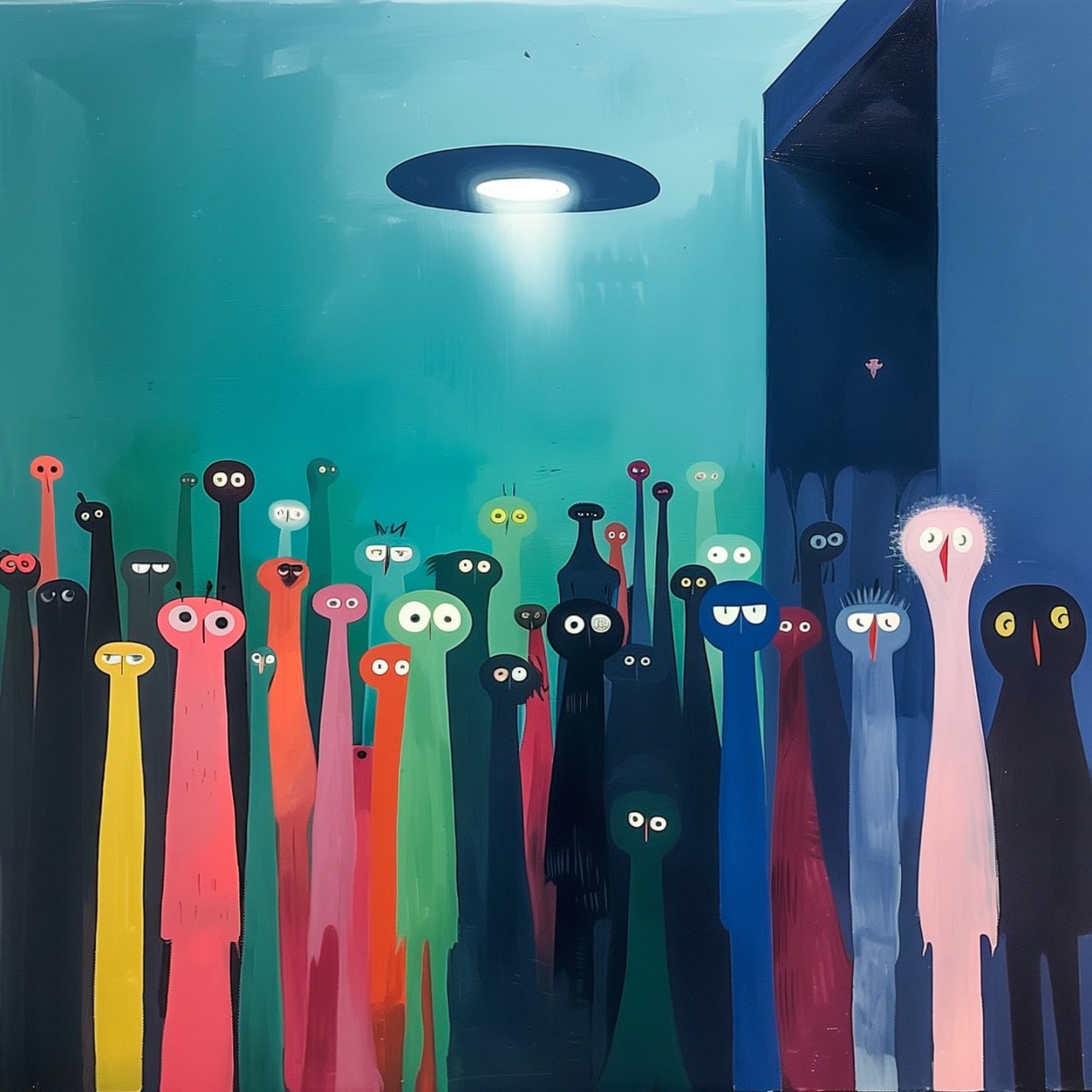
Real papers, real names, and policy-facing synthesis across all major sections.
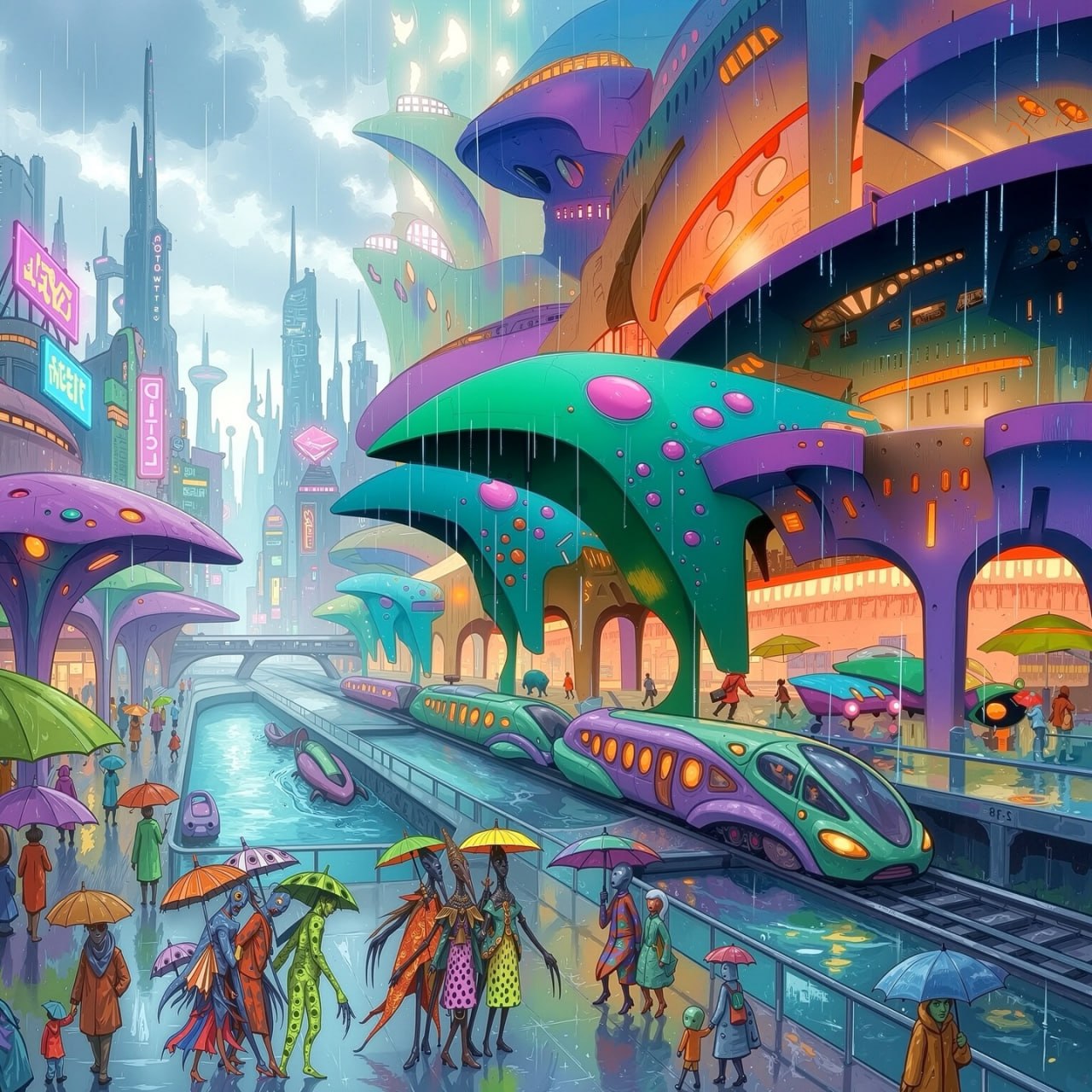
A few small anomalies are intentional. Not every door on this site is numbered in sequence.
talks, panels, and roundtables across three days
core tracks retained across research, policy, and implementation
paper-backed headline researchers spanning North America, Europe, Asia, and the Caucasus
regional host-city background note, with all other coverage global by design
Congress Brief
The congress is structured as a serious international working forum: strong keynote framing, paper-linked track sessions, and enough institutional texture to feel credible for ministries, universities, and research networks.
The limits of predictability: governing fast and uneven technology transitions.
3 days, 4 tracks, 30+ talks, workshops, a mayoral roundtable, and an evening demo showcase.
Meridian Expo Hall, Yerevan, with a full hybrid stream for international attendees.

This visual system favors clean institutional storytelling, strong imagery, gradient accents, and white-space-led layout rather than dense blocks of text.
Resilient energy systems, next-gen mobility, and adaptation to climate volatility.
Human-centered interfaces, changing labor markets, and institutional trust in automation.
Personalized medicine, biosecurity policy, and ethical guardrails for new therapies.
New employment architectures, platform cooperatives, and regional development strategies.
Context engineering, transformer-era infrastructure, and institutional trust in automation.
Clinical AI, ICU decision support, and protein language models move from paper to practice.
Mobility networks, electrified urban planning, and labor redesign under automation pressure.
Track A
James Zou, Kunle Olukotun, Daron Acemoglu, Carl Benedikt Frey, and Maria Martirosyan lead the institutional and labor-transition strand.
Track B
Rajpurkar, Celi, Komorowski, Borgwardt, Jian Tang, Santi, and Marta C. Gonzalez anchor the translational and city-systems strand.
Sponsors and partners supporting the congress across research, infrastructure, and community programming.
For large platform, cloud, or compute partners supporting plenary visibility and the hybrid stream.
For publishing, academic, and data-infrastructure partners underwriting paper sessions and fellowships.
For mobility, energy, digital twin, and resilience partners attached to the infrastructure track.
For venture studios, frontier labs, and design partners supporting workshops, demos, and the evening showcase.

6ruk joins the partner list with a compact emblem and direct social links.